top of page

Best Toxin-Free Body Washes, Hand Soap + Soap Bars

  • Aug 14
  • 5 min read

Updated: 5 days ago

Choose safer soap bars, body washes, and hand soaps without hidden toxins. Learn which ingredients to avoid, how to read labels, and explore clean options that truly support skin health.


Get exclusive discounts when shopping through our links. As an amazon associate & affiliate, we may receive compensation. As always, our picks are carefully vetted.


Keeping clean shouldn’t mean covering your skin in unnecessary chemicals. Unfortunately, many mainstream soap bars, body washes, and hand soaps contain synthetic surfactants, harsh detergents, and artificial fragrance. In this section, we take a closer look at how to read ingredient labels, which surfactants and soap bases are clean, and what to avoid. Whether you prefer a traditional cold-process bar, a gentle body wash, or a simple hand soap, you’ll find guidance here on choosing products that are both safe and effective—even in hard water.


ree

Toxin-Free Quick Links


Earthley 10% off TF10


Chagrin Valley


Poofy Organics 10% off TOXINFREE


Bubble & Bee Organic 15% off TOXINFREE15


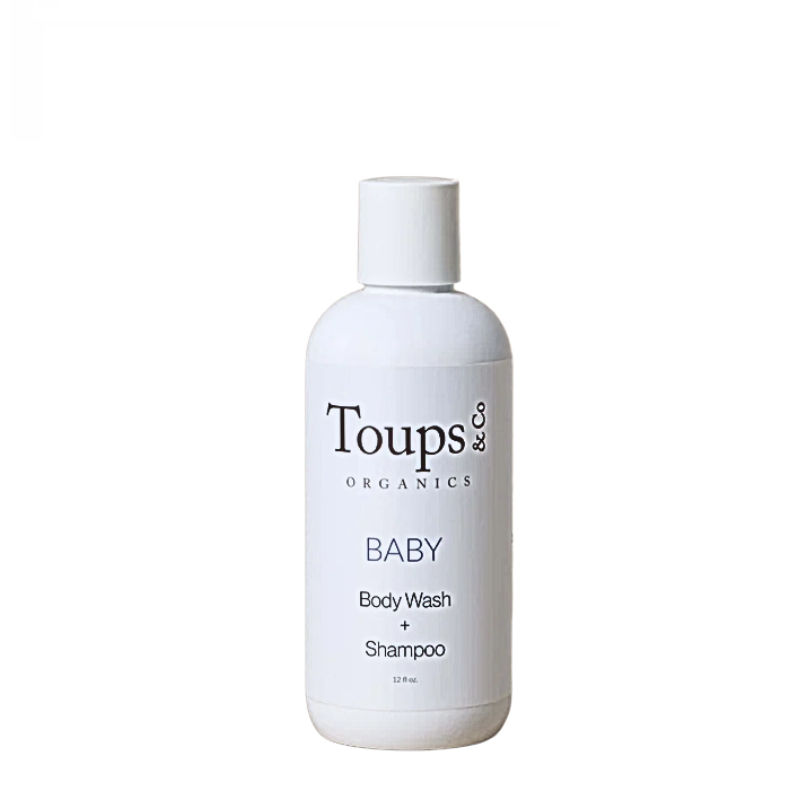
Toups & Co Organics save with links


Zuma Nutrition 15% off TOXINFREE


Stone & Spear 20% off TOXINFREE


Sally Bs Skin Yummies


Nature Sustained 5% off TOXINFREE


Primally Pure 10% off with link


Bend Soap Company 10% off TOXINFREE

Rowe Casa Organics 20% off TOXINFREE


With Simplicity 15% off TOXINFREE


Oak & Hive Wellness

Kingdom Come Home

Herbal Face Food 30% off TOXINFREE


Amazon


Low Tox Body Washes


Primally Pure 10% off with link


Ingredients to Avoid in Soaps & Body Washes


Not all soaps and washes are created equal. Many contain additives that can be irritating, contaminated with harmful byproducts, or simply unnecessary. Here are 10 common ingredients to watch out for:


1.Sodium Lauryl Sulfate (SLS) & Sodium Laureth Sulfate (SLES)

  • Why avoid: Harsh foaming agents that strip natural oils, often leaving skin dry or itchy.

  • Better alternative: Potassium cocoate (from coconut oil) or decyl glucoside (plant-based surfactant).


2.Cocamidopropyl Betaine

  • Why avoid: Marketed as “gentle” but can be contaminated with nitrosamines and 3-dimethylaminopropylamine, known irritants.

  • Better alternative: Castile soap or saponified oils like olive, hemp, coconut.


3.Ethoxylated Compounds

  • Examples: Sodium Cocoyl Isethionate, Polysorbates, PEGs.

  • Why avoid: Can carry 1,4-dioxane and ethylene oxide residues (both linked to cancer risk).

  • Better alternative: Non-ethoxylated surfactants like glucoside-based cleansers.


4.Synthetic Fragrance & Dyes

  • Why avoid: Fragrance/parfum can hide phthalates and hundreds of undisclosed chemicals; dyes are often petroleum-derived.

  • Better alternative: Essential oils or clay/mineral-based colorants.


5.Mica & Glitter

  • Why avoid: Adds shimmer but no skin benefit. Glitter often = microplastic pollution; mica raises ethical sourcing concerns.

  • Better alternative: Naturally colored clays (like French green clay or rose clay).


6.Sodium Benzoate

  • Why avoid: When combined with citric acid or vitamin C, it can form benzene, a known carcinogen (especially under heat/light).

  • Better alternative: Radish root ferment or leuconostoc ferment filtrate (natural preservatives).


7.Citric Acid (Mold-Derived)

  • Why avoid: Most commercial citric acid is produced from black mold (Aspergillus niger) on GMO corn. It can be irritating for sensitive or mold-reactive individuals.

  • Better alternative: Products with lemon juice powder or ascorbic acid as natural acidifiers.


8.Potassium Sorbate

  • Why avoid: Widely used preservative that may trigger skin sensitivities and has been shown to be genotoxic in human cells in some studies.

  • Better alternative: Rosemary extract


9.Phenoxyethanol

  • Why avoid: Common “clean beauty” preservative, but linked to skin irritation and can enter the bloodstream through skin absorption.

  • Better alternative: Willow bark extract or lactobacillus ferment filtrate.


10.Formaldehyde-Releasing Preservatives

  • Examples: DMDM Hydantoin, Quaternium-15, Imidazolidinyl urea.

  • Why avoid: These slowly release formaldehyde, a known carcinogen, into your product over time.

  • Better alternative: Vitamin E (tocopherol) or rosemary oil extract as antioxidants/preservatives.


Q&A: Soap Bars, Body Washes & Hand Soaps


What’s the difference between a true soap and a body wash?

Bar soaps are usually made by saponifying oils or fats with sodium hydroxide, creating a cleansing but skin-safe product. Liquid soaps use potassium hydroxide instead. Body washes often rely on surfactants—some harsh and synthetic, others gentle and plant-based (like glucosides).


What are glucosides, and why are they recommended?

Coco glucoside, decyl glucoside, and lauryl glucoside are plant-derived, biodegradable surfactants. Unlike traditional castile soaps, they don’t react with hard water minerals, meaning they clean well without leaving soap scum. They’re a great base for natural body washes and hand soaps.


What about soap nuts?

Soap nuts release natural saponins that work as mild cleansers. They can be used for laundry, body care, or even hair washing. They are safe externally but should not be ingested—so avoid using them with babies or young children who might put them in their mouths.


How do I read ingredient labels for soaps?

The same product may be labeled in different ways. For example, a coconut oil bar soap might appear as:


  • “Saponified coconut oil”

  • “Coconut oil, sodium hydroxide”

  • “Sodium cocoate”


    All three describe the same ingredient, but labeling styles can make them look very different in databases like EWG.


Are cold-process bar soaps safe?

Yes, when made with clean oils and without unnecessary additives. They can be drying for some, especially in hard water, but are generally safe and toxin-free.


Tips for Choosing Safe Soap & Body Wash


  • Choose glucoside-based body washes if you have hard water. Coco, decyl, and lauryl glucosides clean gently without leaving soap scum.

  • Understand saponification. Liquid soaps made from oils and potassium hydroxide are safe but less ideal in hard water. Bar soaps use sodium hydroxide, and labels may read “saponified oils,” “sodium cocoate,” or list each oil plus lye—all mean the same thing.

  • Skip synthetic additives. Avoid SLS, cocamidopropyl betaine, ethoxylated surfactants, artificial fragrance, and dyes.

  • Keep kids in mind. Avoid soap nuts for babies or toddlers since ingestion could be toxic. Stick with simple, unscented bars or mild body washes.

  • Look for mineral-friendly formulas. In hard water areas, glucosides or soap nuts are better options than castile soap, which can leave residue.

  • Cold-process bars are reliable. Choose those made with clean oils (like coconut, olive, shea) and without unnecessary colorants or mica.


bottom of page