Natural Sleep Support Guide: Herbal Remedies, Teas, Essential Oils & Clean Sleep Aids
Updated: Jul 3
Getting quality sleep can be challenging, especially when stress, overstimulation, and modern lifestyles make it harder for the body to fully relax at night. Many conventional sleep aids rely on synthetic ingredients that may cause grogginess or dependency, which is why many people prefer to explore more natural options first.
In this guide, I’ve gathered some of my favorite toxin-free sleep supports, including calming herbal tinctures, teas, magnesium products, essential oils, and other gentle options designed to help promote relaxation and better rest.
If you’re specifically looking for magnesium sleep support, you can also see my full magnesium guide.
This guide may be helpful if you:
• Have difficulty winding down in the evening
• Struggle with falling asleep at bedtime
• Wake up frequently during the night
• Feel overstimulated or restless before bed
• Want natural alternatives to conventional sleep aids
• Prefer toxin-free herbs, supplements, and sleep-support products
Get exclusive discounts when shopping through our links. As an amazon associate & affiliate, we may receive compensation. As always, our picks are carefully vetted.
How I Chose These Products
There are thousands of sleep supplements and remedies on the market, but not all of them meet the standards I look for when recommending products. Every option included in this guide was selected based on ingredient quality, transparency, and formulations that avoid synthetic fragrances, unnecessary fillers, and questionable additives.
Not sure where to start? Many people find that combining a relaxing bedtime routine with gentle supports like herbal tinctures, magnesium, calming teas, or essential oils can make a noticeable difference in sleep quality. Explore the sections below to find the options that may work best for your needs.
Herbal Tinctures & Liquids
Herbal tinctures are one of the most traditional and effective ways to support relaxation and healthy sleep. Because they’re liquid extracts, they’re often absorbed quickly and can be easier to adjust for different ages and needs. Below are some of my favorite clean, thoughtfully formulated tinctures designed to help calm the nervous system and support a more restful night.


Capsules
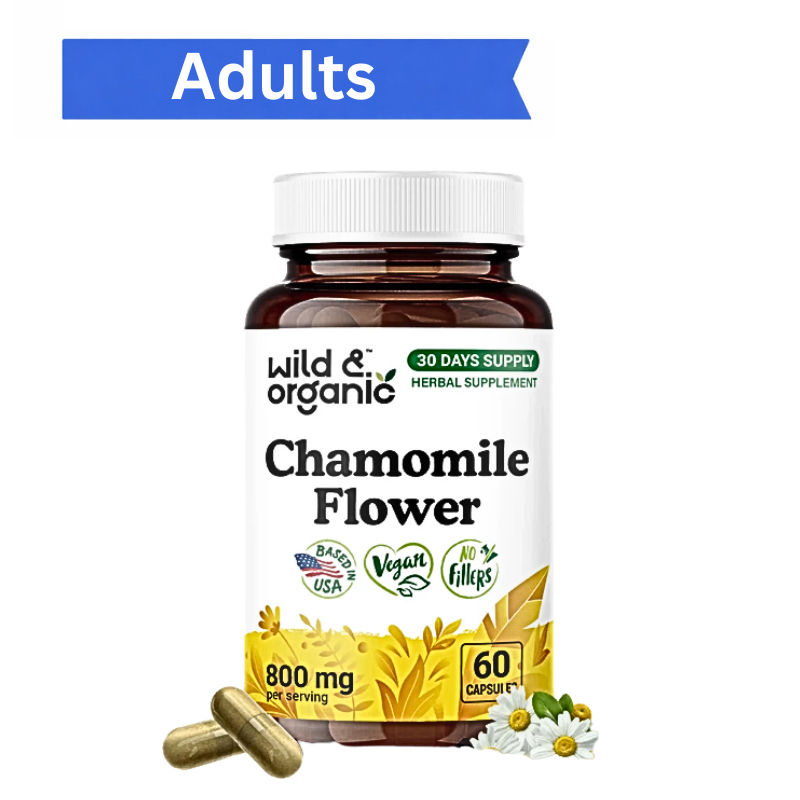
Capsules are a convenient option for those who prefer a simple supplement routine without the taste of herbs or tinctures. Many sleep-support formulas combine ingredients that help the body relax, support natural melatonin production, and promote deeper, more restorative sleep. These options are carefully selected to avoid unnecessary fillers and questionable ingredients.



Bath & Body
Sometimes the best way to support sleep is by helping the body relax before bedtime. Bath soaks, lotions, and body oils can help soothe muscles, calm the nervous system, and create a bedtime routine that signals to the body that it’s time to wind down. These clean options use simple, toxin-free ingredients designed to promote relaxation without synthetic fragrances or harsh additives.


Pillow Sprays
A calming scent can make a big difference in creating a peaceful sleep environment. Pillow sprays are a simple way to add relaxing aromas like lavender or chamomile to your bedtime routine. The options below focus on clean essential oil blends without artificial fragrance or unnecessary fillers.

Essential oil Rollers
Essential oil rollers are an easy, portable way to support relaxation throughout the evening or right before bed. Applied to areas like the wrists, temples, or the back of the neck, these blends often combine calming oils traditionally used to support stress relief and sleep. The products below use thoughtfully sourced oils without synthetic fragrance.


Essential Oils For Diffusers
Diffusing essential oils is a popular way to create a calm and peaceful bedtime environment. Certain oils have long been used to support relaxation and help signal to the brain that it’s time to wind down. These diffuser blends focus on high-quality essential oils without artificial additives.


Teas
Herbal teas have been used for centuries as a gentle way to support relaxation and nighttime routines. Ingredients like chamomile, lemon balm, and passionflower are commonly used to help calm the body and mind before sleep. These tea options focus on simple herbal blends without artificial flavors or unnecessary additives.


Frequency Sleep Machine
Some people find that sound frequencies or sleep devices help create a more calming nighttime environment. These tools are designed to promote relaxation through sound patterns or frequencies that may help the brain transition into sleep. While results can vary from person to person, many people enjoy using these devices as part of their evening routine.

Signs Your Body Might Need More Sleep Support
Occasional sleep challenges can happen for many reasons, including stress, over stimulation, busy schedules, or changes in routine. Some people choose to explore natural sleep supports when they notice signs that their body may be having difficulty fully relaxing at night.
Some common signs that people look for additional sleep support may include:
• Difficulty winding down in the evening
• Trouble falling asleep at bedtime
• Waking frequently during the night
• Feeling restless or unable to relax before sleep
• Not feeling fully rested in the morning
• A racing mind or difficulty calming thoughts at night
For some, creating a consistent bedtime routine and incorporating gentle supports such as calming herbs, relaxing teas, essential oils, or magnesium may help encourage a more relaxed nighttime environment.
Because sleep needs vary from person to person, many people experiment with different types of natural supports to find what works best for their routine.
Most Popular Ingredients Used for Natural Sleep Support
Many natural sleep products use ingredients that are known for helping support relaxation and a calm nighttime routine. Some of the most commonly used ingredients include:
• magnesium glycinate
• L-theanine
• glycine
• passionflower
• lemon balm
• chamomile
These ingredients are often found in herbal tinctures, teas, capsules, and other natural sleep-support formulas.
Common Herbs Traditionally Used for Sleep
Herbs Traditionally Used to Support Relaxation & Sleep
Many natural sleep products rely on herbs that have been traditionally used to support relaxation and calm the nervous system. While individual responses can vary, these herbs have long histories of use in herbal traditions around the world.
Chamomile
Chamomile is one of the most widely used calming herbs. It has traditionally been used in teas and herbal preparations to help promote relaxation and support a more restful evening routine.
Lemon Balm
Lemon balm is a gentle herb in the mint family that has been traditionally used to support relaxation and help ease occasional nervous tension before bedtime.
Passionflower
Passionflower has a long history of use in herbal medicine for calming the mind and supporting relaxation, making it a common ingredient in nighttime teas and sleep tinctures.
Skullcap
Skullcap is often used by herbalists to help support the nervous system and encourage a sense of calm. It is frequently included in formulas designed to promote relaxation in the evening.
Valerian Root
Valerian root is another well-known herb traditionally used to support sleep and relaxation. It has been used in herbal preparations for centuries to help the body wind down before bedtime.
Ingredients to Watch for in Sleep Products
Not all products marketed for relaxation or sleep are created with the same ingredient standards. Some products may contain additives or fragrances that can be unnecessary or even counterproductive for those looking for cleaner options.
When choosing sleep-support products, some people prefer to avoid ingredients such as:
• Synthetic fragrance or parfum
• Artificial dyes or colorants
• Unnecessary fillers or additives
• Artificial sweeteners in supplements
• Highly processed ingredients
Many people prefer products made with simple, transparent ingredient lists that focus on herbs, minerals, and naturally derived ingredients.
Frequently Asked Questions About Natural Sleep Support
What are the best natural herbs for sleep?
Many herbs have traditionally been used to support relaxation and restful sleep. Some of the most popular include chamomile, passionflower, lemon balm, valerian root, and skullcap. These herbs are commonly found in teas, tinctures, and herbal blends designed to help promote a calm nighttime routine.
Can magnesium help with sleep?
Magnesium plays an important role in muscle relaxation and nervous system balance, which is why many people include it as part of their evening routine. Magnesium glycinate, magnesium creams, sprays, and magnesium flakes are commonly used options for supporting relaxation before bedtime.
Are essential oils helpful for sleep?
Certain essential oils are often used in aromatherapy to promote relaxation and a calming bedtime environment. Lavender, chamomile, cedarwood, and sandalwood are some of the most commonly used oils for nighttime routines. Many people use them in a diffuser, pillow spray, or diluted topical blend.
Are herbal sleep remedies safe for kids?
Some gentle herbs like chamomile, lemon balm, and passionflower are commonly used in small amounts for children. However, it’s always important to check product labels for age recommendations and appropriate serving sizes.
What is the best natural routine for better sleep?
Many people find that combining multiple gentle supports works best. A calming nighttime routine might include turning off bright lights, drinking a relaxing herbal tea, using magnesium, and creating a peaceful sleep environment with essential oils or calming music.
Do natural sleep supports cause grogginess?
Most natural sleep supports focus on promoting relaxation rather than forcing sleep. Because of this, many people prefer herbal or mineral-based options when they want to support their body’s natural sleep cycle.
What is the best natural supplement for sleep?
Many people look for supplements that support relaxation rather than forcing sleep. Common options include magnesium glycinate, L-theanine, glycine, calming herbal blends, and traditional sleep-support herbs like valerian root, passionflower, or chamomile.
What herbs help calm the nervous system at night?
Herbs traditionally used to help calm the nervous system include lemon balm, passionflower, chamomile, skullcap, valerian root, and lavender. These herbs are often used in teas, tinctures, or capsules to support relaxation before bedtime.
What essential oils are best for sleep?
Some of the most popular essential oils for nighttime relaxation include lavender, chamomile, cedarwood, sandalwood, and frankincense. Many people diffuse these oils in the evening or use them in pillow sprays and diluted topical blends as part of their bedtime routine.
Why do some natural sleep remedies take time to work?
Many natural sleep supports focus on supporting the body’s natural rhythms rather than forcing sleep quickly. Because of this, people often see the best results when these supports are used consistently as part of a calming nighttime routine.
Exploring Natural Sleep Support
Everyone’s sleep routine looks a little different, and sometimes it takes experimenting with a few different options to find what works best. Herbs, teas, magnesium, and relaxing essential oils are all gentle tools many people use to help support a calmer evening routine and better rest.
If you’re interested in exploring more toxin-free swaps and natural wellness products, you can browse the full guide here


Comments