Non-Toxic Body Washes (2026 Guide)
Discover the best non-toxic body washes made with truly clean ingredients you can trust. This guide breaks down safe surfactants, hidden toxins to avoid, and how to choose between fully non-toxic and low-tox options for your family.
As an Amazon Associate & affiliate, I may earn revenue at no extra cost to you.
These are the cleanest options I recommend.
Formulas in this category use gentle, non-ethoxylated surfactants like glucosides or properly made castile soap. If citric acid is included, it is fruit-derived, not mold-fermented. Preservatives, if used, meet strict safety standards and are kept minimal.
This is the best category for sensitive skin, kids, and anyone looking to reduce overall toxic load.
Non-Toxic Body Washes For The Whole Family


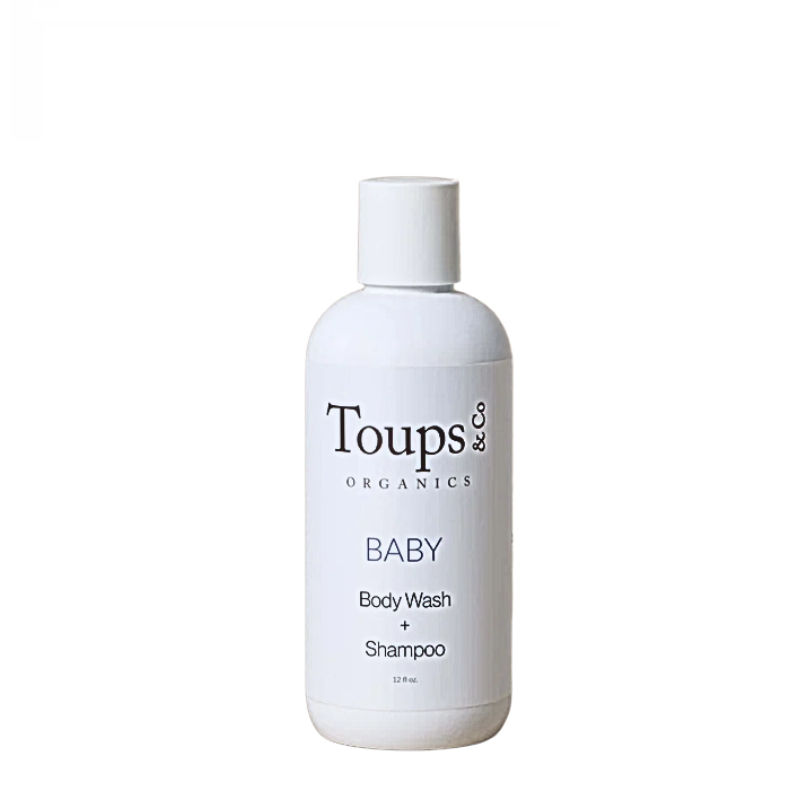
Non-Toxic Body Washes For Babies


Non-Toxic Body Washes For Men


Low Tox Body Washes
These options are a step down from fully non-toxic, but still significantly better than conventional products.
They may include:
Citric acid that is not fruit-derived
Certain preservatives or surfactants that I don’t personally recommend, but are commonly accepted in “clean beauty”
While not my top tier, these can be a more accessible option depending on budget or availability and are still a better swap from conventional body wash.


Ingredients to Avoid in Body Washes
Looking for non-toxic body wash? This guide shares the safest ingredients, what to avoid, and the difference between truly non-toxic and low-tox formulas so you can choose the best for your skin.
When choosing a body wash, it’s not just about what’s included, but what’s hidden behind labels. Here are the ingredients I avoid and recommend being cautious with:
Ethoxylated surfactants (like SLS, SLES, polysorbates)
Can be contaminated with ethylene oxide and 1,4-dioxane
Fragrance / Parfum
Can contain hundreds of undisclosed chemicals, including endocrine disruptors
PEG compounds
Often petroleum-derived and ethoxylated
Phenoxyethanol
A common preservative that can be irritating and not ideal for sensitive systems
Sodium benzoate + citric acid combinations
Can form benzene under certain conditions
Non-fruit-derived citric acid
Typically produced via fermentation using mold (like Aspergillus niger), which may be a concern for some
Synthetic dyes (FD&C colors)
Unnecessary and can be irritating
Formaldehyde-releasing preservatives
(DMDM hydantoin, quaternium-15, etc.)
“Not all ‘clean’ body washes are created equal.”
Many products marketed as natural still contain hidden contaminants, synthetic processing byproducts, or questionable preservatives. This guide helps you understand the difference so you can choose what truly aligns with your standards.

Comments