Best Natural & Non-Toxic Cold Process Soap Bars (2026 Guide)
Updated: Aug 21
Many commercial “soap” bars aren’t actually soap at all. Instead, they’re made with synthetic detergents, harsh surfactants, and artificial fragrance that can be unnecessarily irritating for the skin.
Traditional cold process soap is different.
These soaps are created through a natural process called saponification, where plant oils and butters transform into real soap and naturally occurring glycerin that helps keep skin hydrated. If you prefer toxin-free liquid soap you can find them here Non-Toxic Body Washes
As an Amazon Associate & affiliate, I may earn revenue at no extra cost to you.
The soap bars featured in this guide are made using traditional cold process methods and are free from synthetic detergents, artificial fragrance, and unnecessary additives. Instead, they rely on nourishing ingredients like plant oils, clays, botanicals, and pure essential oils for cleansing and scent.
Below you’ll find some of the best toxin-free cold process soap bars, along with a quick guide to ingredients commonly avoided in conventional soap.
Quick Picks For Clean Soap Bars


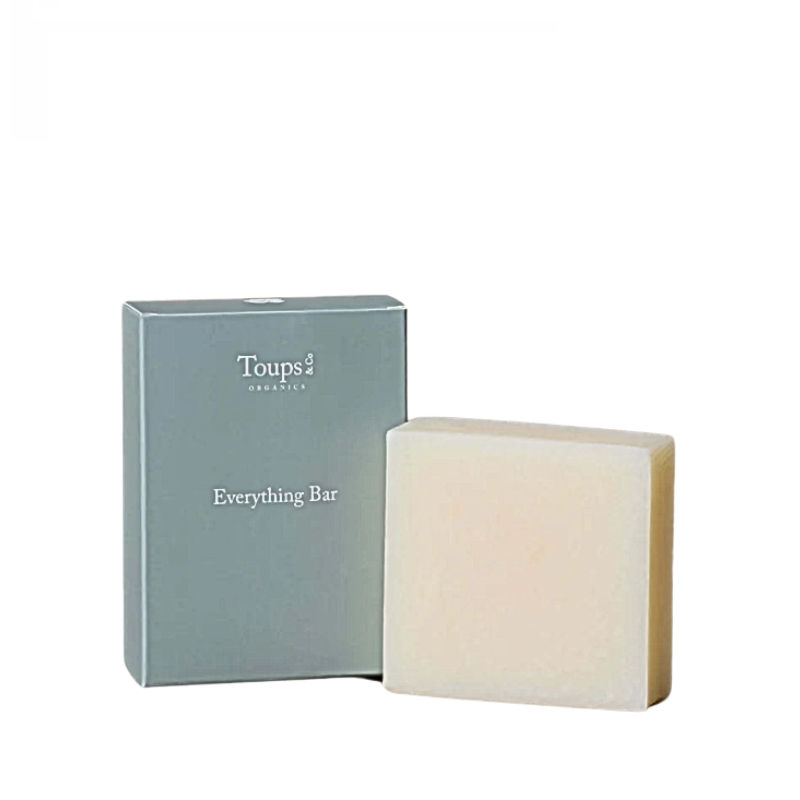


Ingredients Commonly Avoided in Soap
Even products labeled “natural” or “gentle” can sometimes contain synthetic detergents, fragrance chemicals, or other additives that aren’t necessary for effective cleansing.
Here are some ingredients often found in conventional soap bars or cleansing bars that many people prefer to avoid.
Sodium Cocoyl Isethionate
This ingredient is a synthetic surfactant commonly used in soap bars and “beauty bars” to create a rich lather.
Although it is often rated as low hazard in ingredient databases, it is produced through a chemical manufacturing process and may be ethoxylated, which can lead to contamination concerns with compounds such as 1,4-dioxane, a byproduct associated with ethoxylation.
Because of this, it is typically not used in traditional cold process soap.
Sodium Lauryl Sulfate (SLS)
A strong detergent and surfactant used to create heavy foaming action.
SLS is known for its potential to strip natural oils from the skin, which can lead to dryness, irritation, or disruption of the skin barrier, especially with frequent use.
Cocamidopropyl Betaine
A synthetic foaming agent often used to make cleansers feel milder than sulfate-based detergents.
However, impurities introduced during manufacturing can sometimes trigger skin irritation or allergic reactions in sensitive individuals.
Synthetic Fragrance / Parfum
The terms “fragrance” or “parfum” can represent complex proprietary blends of dozens or even hundreds of undisclosed chemicals.
These fragrance mixtures may include ingredients associated with skin irritation, sensitization, or endocrine disruption, and companies are not required to disclose the individual components.
Natural soaps typically scent products using essential oils, plant extracts, or botanicals instead.
Artificial Colorants (FD&C Dyes)
Synthetic colorants used to create bright or uniform colors in cosmetic products.
Natural soap makers often rely on clays, herbs, roots, spices, and mineral pigments to create color instead.
View our full ingredients to avoid list here
Preservatives Unnecessary for True Soap
Traditional cold process soap has a naturally high pH that helps inhibit microbial growth, which means many synthetic preservatives used in liquid cleansers are unnecessary in properly formulated bar soap.
Why Cold Process Soap Is Different
True cold process soap does not rely on synthetic detergents to cleanse the skin.
Instead, it uses the natural cleansing properties created during the saponification of plant oils and butters, resulting in a bar that can be both effective and gentle when properly formulated.
Because of this, traditional soap makers can create simple ingredient lists that focus on:
• plant oils and butters
• mineral clays
• botanicals
• natural colorants
• essential oils
This is why many people seeking toxin-free, non-synthetic personal care products prefer cold process soap over conventional cleansing bars.


Comments